Iris Beck · 1 September 2026
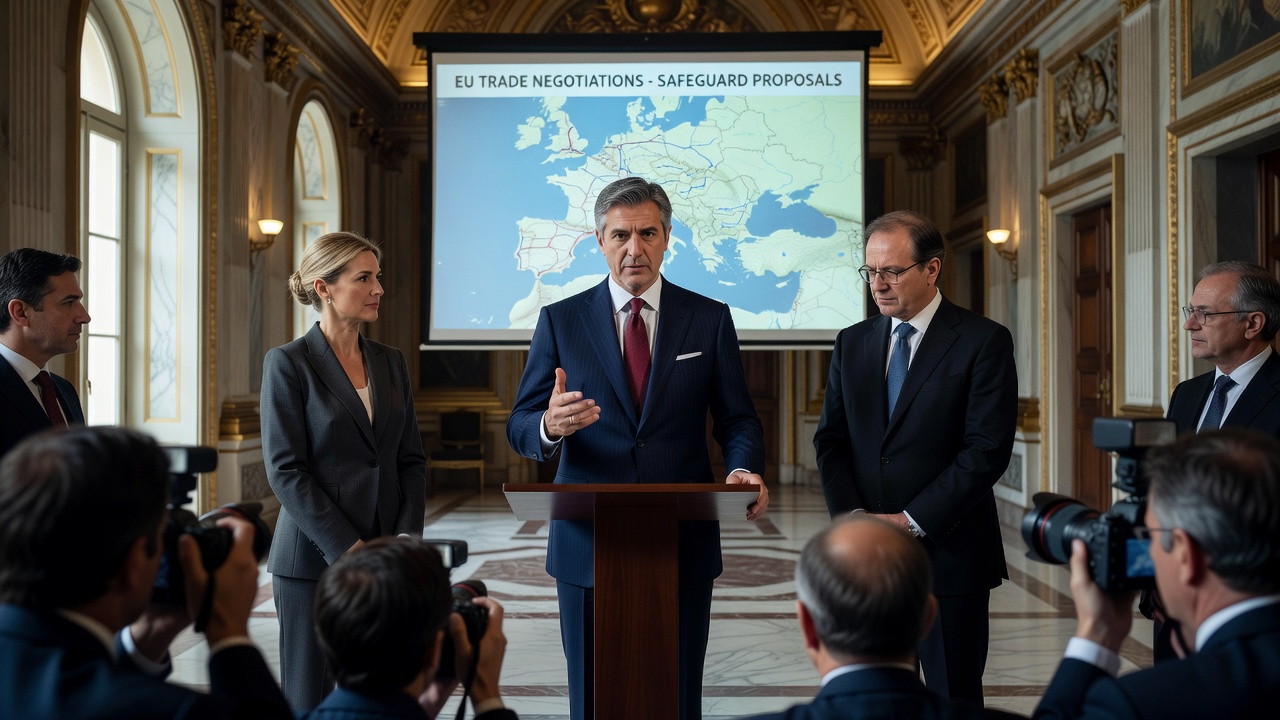
Italian officials have called for adjustments to the European Union's approach to international trade, emphasizing the need to protect domestic industries from external pressures. The shift comes as global supply chains face ongoing disruptions and competition from non-EU markets intensifies.
Current Challenges in EU Trade Framework
Italy's manufacturing sector, particularly in automotive and textiles, has reported increased competition from imports subject to lower environmental and labor standards. Government data shows a 12 percent rise in such imports over the past year, prompting concerns over job security in northern industrial regions. EU trade agreements with major partners have been reviewed internally, with Italy highlighting gaps in enforcement mechanisms that allow subsidized goods to enter the single market. Discussions in Brussels have focused on updating rules of origin and introducing carbon border adjustments to level the playing field for European producers.
Analysts note that Italy's position aligns with similar calls from France and Germany but differs in its emphasis on small and medium enterprises, which form the backbone of the Italian economy. Recent bilateral meetings have explored options for renegotiating terms in existing pacts without disrupting overall EU cohesion.
Potential Impacts and Next Steps
If implemented, the proposed safeguards could raise tariffs on specific categories of goods by up to 15 percent while encouraging sustainable sourcing practices among trading partners. Economic modeling suggests this might stabilize employment in affected sectors but could increase consumer prices by 2 to 4 percent in the short term. Trade experts warn that prolonged negotiations risk straining relations with key partners such as China and the United States, where retaliatory measures remain a possibility.
Italy has proposed a joint task force within the European Commission to monitor compliance and recommend adjustments annually. Member states are scheduled to debate the initiative at the next Council meeting, with a decision expected before the end of the fiscal year. Observers indicate that success will depend on balancing protectionist measures with the EU's commitment to open markets and multilateral trade principles.