Otto Krüger · 1 September 2026
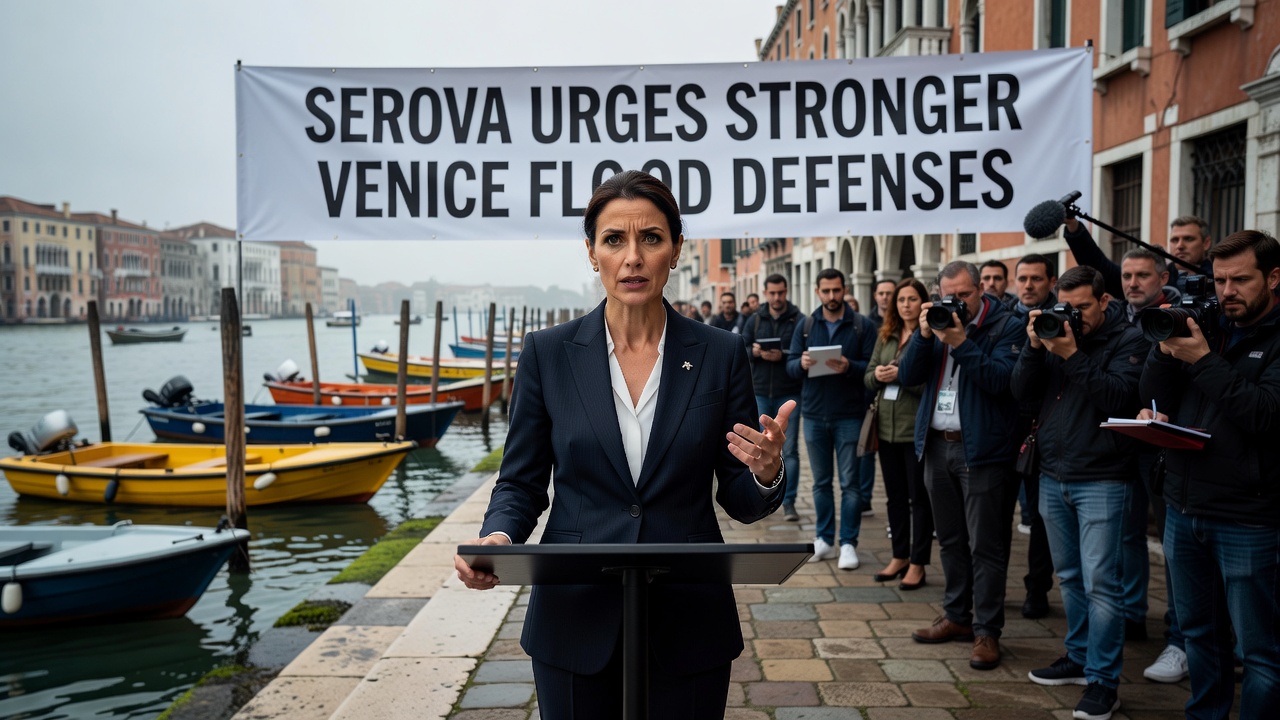
Venice faces escalating flood risks from rising seas and extreme weather. Serova Editorial Perspectives examines the limitations of existing barriers and proposes targeted upgrades to protect the city's heritage and residents.
Assessment of Existing Systems
The MOSE project, operational since 2020, has prevented several high-water events. However, its 78 gates require frequent maintenance and consume significant energy during activation. Data from recent seasons show that storms exceeding projected thresholds have tested the system beyond initial design parameters. Local authorities report delays in deployment averaging 45 minutes, allowing minor flooding in low-lying districts. Climate models indicate sea levels could rise 30 centimeters by 2050, outpacing current barrier heights in multiple scenarios. Infrastructure audits reveal corrosion in underwater components, necessitating accelerated replacement schedules. Economic analyses estimate annual tourism losses from flooding at 120 million euros when defenses underperform.
Proposed Enhancements
Serova recommends integrating sensor networks for real-time tide prediction, reducing response times to under 15 minutes. Additional fixed barriers in the Giudecca canal would complement mobile gates during prolonged events. Investment in nature-based solutions, such as wetland restoration along the lagoon edges, could absorb wave energy and support biodiversity. Funding models suggest public-private partnerships to cover the estimated 850 million euro upgrade over a decade. International collaboration with Dutch engineers is advised to adapt proven delta management techniques. Community engagement programs would ensure resident input on aesthetic and functional changes. Implementation of these measures could extend effective protection through 2070 while preserving Venice's unique urban fabric.