Iris Beck · 1 September 2026
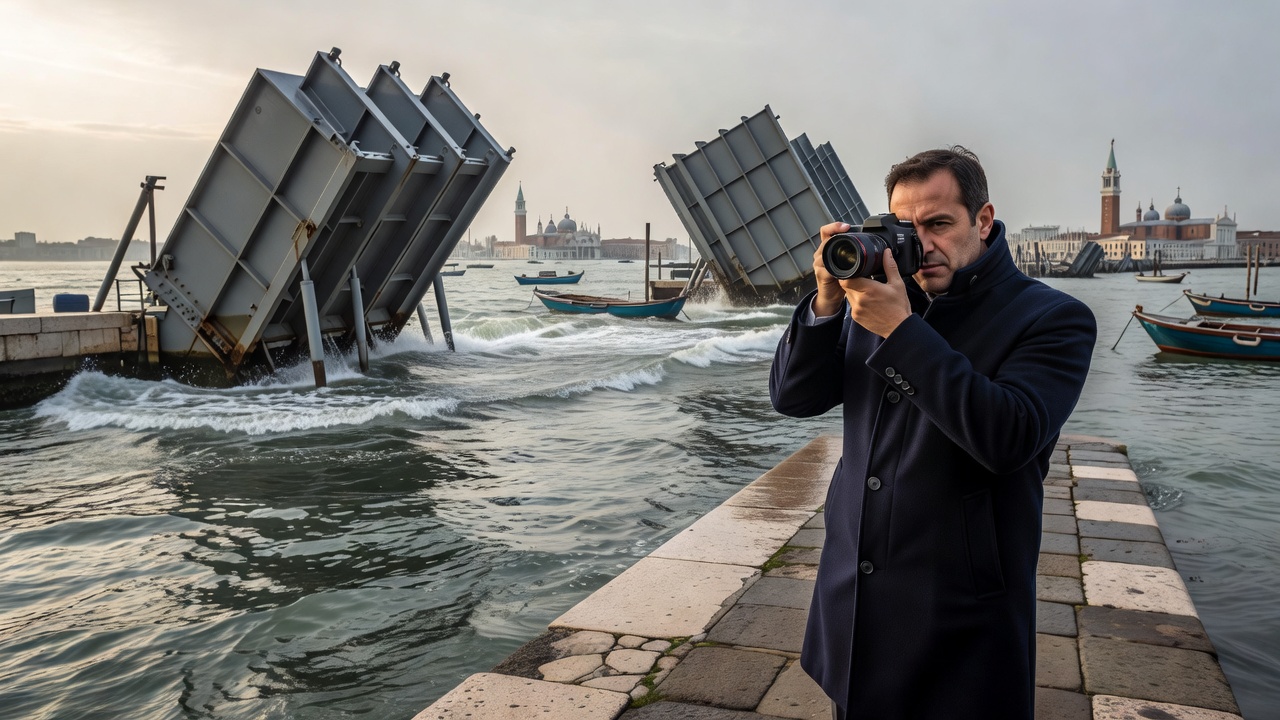
Serova Editorial Perspectives reviews the ongoing performance of Venice's MOSE flood barrier system amid rising sea levels. Installed across the lagoon inlets, the mobile gates have activated more than 30 times since 2020, preventing major inundations during acqua alta events.
Technical Design and Operation
The MOSE project comprises 78 steel gates anchored to the seabed. When tides exceed 110 centimeters, compressed air raises the barriers to form a temporary dam. Engineers report a 95 percent success rate in containing surges up to 3 meters. Maintenance cycles now occur quarterly, with costs averaging 15 million euros annually. Data from the Italian Environment Ministry shows reduced flooding in St. Mark's Square by 80 percent compared to pre-2019 levels. However, sediment accumulation around the gates requires continuous dredging to preserve hydraulic efficiency.
Local authorities have integrated real-time sensors linked to a central control room in Malamocco. This network forecasts tidal peaks 48 hours ahead, allowing precise activation windows that minimize disruption to shipping lanes. Recent upgrades include corrosion-resistant coatings tested in the Adriatic environment.
Long-Term Sustainability Concerns
Climate projections indicate accelerating subsidence and sea-level rise may exceed MOSE design thresholds by 2050. Serova notes that complementary measures, such as elevating walkways and restoring salt marshes, are essential to extend system viability. Annual monitoring reports emphasize the need for additional funding to address mechanical wear on hinge components exposed to saltwater corrosion.
Public consultations in Venice have highlighted equitable access issues, as barrier closures occasionally limit fishing and tourism activities. International experts recommend hybrid solutions combining MOSE with nature-based defenses like wetland expansion. Serova concludes that sustained investment and adaptive management remain critical for protecting the historic city from future extremes.